
The Era of the Skipjacks
To understand the sheer magnitude of Maryland's maritime history, you have to look back at the 19th-century oyster boom. At its peak, Baltimore served as the oyster packing capital of the world, processing millions of bushels pulled from the bay. The iconic vessels of this era were the skipjacks—sturdy, shallow-draft wooden sailboats specifically designed to drag heavy iron dredges across the oyster beds.
Today, only a handful of these historic sailing vessels remain, serving as floating museums and cultural ambassadors. Travelers eager to dive into this rich maritime past can explore the Maryland oyster harvesting traditions and Chesapeake Bay history by visiting maritime museums in St. Michaels or booking a heritage sail on a restored skipjack. These experiences offer a profound appreciation for the backbreaking labor that built the region's economy.
Charting the Seafood Trail
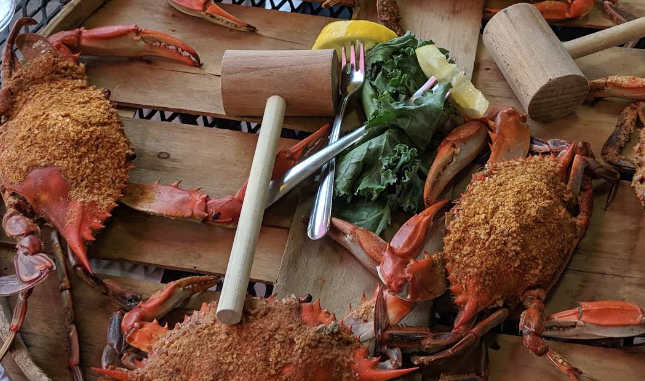
The legacy of the oyster dredgers paved the way for the bustling seafood economy that thrives today. As you travel along the state's winding coastal roads, the transition from winter oysters to summer blue crabs becomes a driving force for culinary tourism. Tracing the ultimate Maryland seafood trail from Chesapeake oysters to crab shacks provides a roadmap to the most authentic waterfront dining experiences available.
Along the way, visitors will pass through centuries-old fishing villages and beautifully preserved coastal communities. These tight-knit ports not only serve incredible local catches but also offer a walkable journey back in time. Taking a detour and discovering Maryland's historic small towns adds a layer of architectural and cultural depth to any regional food tour, proving that the State heritage is just as rich on land as it is on the water.
